
Influencer Marketing vs Affiliate Marketing: Key Differences, Benefits & Which Is Better in 2026
Looking back at how Digital Marketing has transformed, we can see that it has changed in captivating, rapid ways, and the end of 2026 is no exception. Businesses are finding more advanced and Agile ways of performance marketing with the emergence of Content Marketing and Digital Creators. Two of the most popular strategies today are influencer marketing vs affiliate marketing. While both strategies are based on
selling products/services using 3rd parties and varying in the performance marketing funnel, execution, investment and returns. Most marketers and businesses feel puzzled about which method to choose. Is it better to leverage affiliates and convert or invest in influencers and build awareness? In this article, we are going to analyse Influencer Marketing vs Affiliate Marketing, the advantages, and which method is best suited for your objectives.
What Is Influencer Marketing?
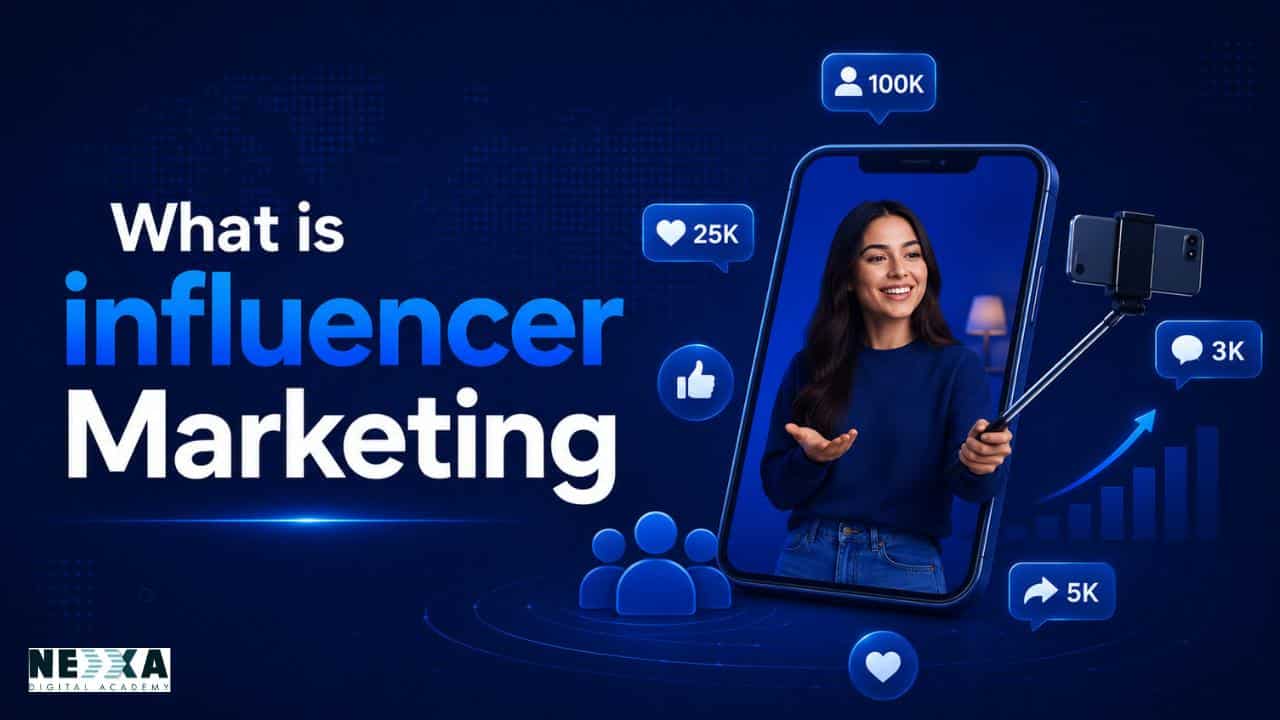
Influencer Marketing refers to the type of marketing done through the collaboration of brands and influential people/ marketers in the online space with significant reach and target audience loyalty to depict the value of the brands’ products/ services to the audience.
The audience and the influencers’ community tend to trust the opinion of the influencers’ community, which in turn makes the community take the required actions to enhance the brand’s credibility and visibility.
How Influencer Marketing Works
- Brands look for potential influencers in their field.
- They work together for paid collaborations, reviews, or even larger campaigns.
- Influencers produce marketing materials for the brand.
- The audience interacts with the marketing material and grows awareness.
Popular Platforms
- YouTube
- TikTok
Use Case Example
A good example of influencer marketing is skin care brand collaborations with beauty influencers in which they promote products via reels or tutorials.
An influencer marketing campaign is a good way for businesses to create brand awareness and build a relationship with consumers.
What Is Affiliate Marketing?
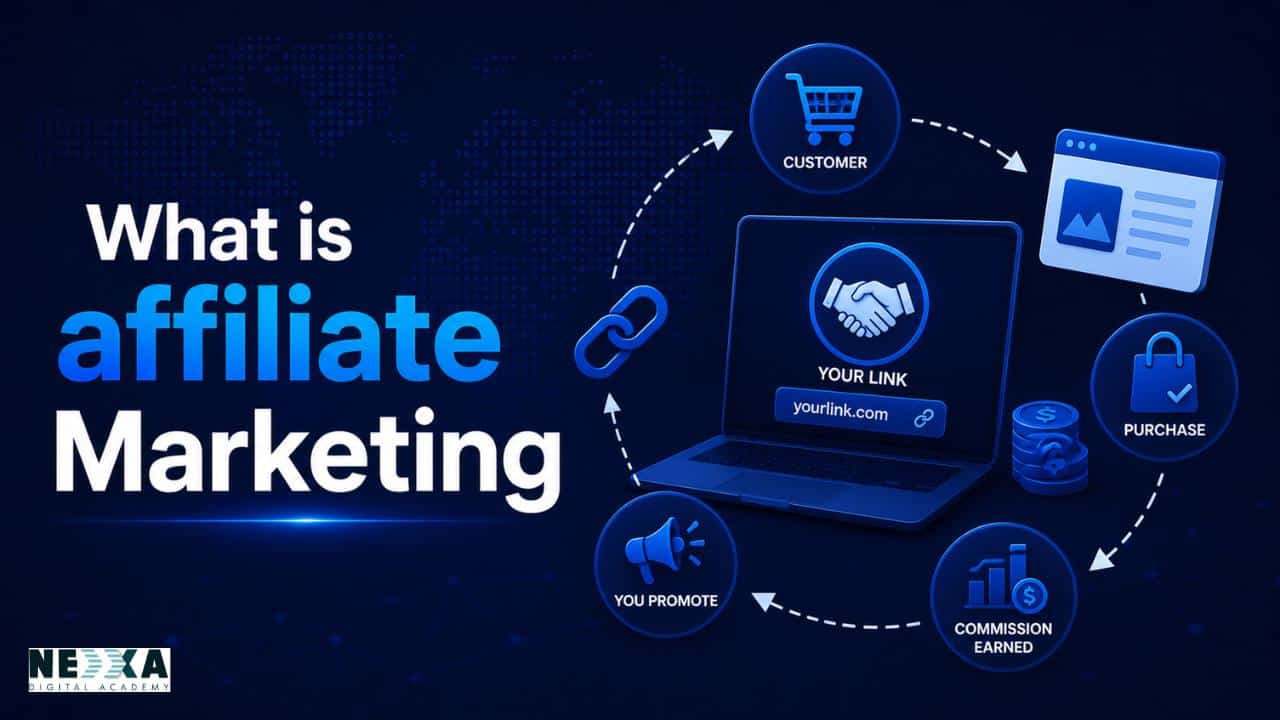
In simple terms, affiliate marketing involves sponsoring another’s product. If a sale is made through their unique link, an affiliate earns a commission.
Influencer marketing is more costly than performance-based affiliate marketing, where payment is made after the desired action is completed. With this type of marketing, businesses have little to no risk.
How Affiliate Marketing Works
- Brands launch their affiliate program
- Affiliates receive custom tracking links
- They advertise via blogs, videos, or social media
- They make money through commissions on sales
Commission-Based Model
Affiliates are compensated only for completing certain actions, like making a purchase or signing up for a service.
Example Use Case
A common example of affiliate marketing is a blogger who does a review of a product and includes affiliate links to the product, and as a result, makes sales.
To understand what is affiliate marketing , and what it means for businesses, and understand something that is measurable and delivers results and positive ROI.
Influencer Marketing vs Affiliate Marketing
Influencer Marketing Overview
- Payment: sponsorship/ pre-agreed fee
- Objective: awareness of the brand and audience interaction
- Content: developed by the influencers
- Result: determined by the number of likes, shares, and overall visibility
Affiliate Marketing Overview
- Payment: commission
- Objective: sales and overall conversion
- Content: developed by the affiliates
- Result: determined by the number of clicks and purchases-
While looking at influencer marketing vs affiliate marketing, the most noticeable difference is the way success is determined, which is engagement compared to conversion.
Influencer Marketing vs Affiliate Marketing: What Sets Them Apart
Payment Model
Under influencer marketing, companies normally make a payment upfront to the influencer for promoting their content. However, affiliate marketing adopts a performance-based model whereby the affiliate gets paid only after achieving success.
Purpose of Marketing Campaign
While influencer marketing is aimed at building brand recognition and telling stories, affiliate marketing is intended to make direct sales to consumers.
ROI Evaluation
The ROI of an influencer marketing campaign can be evaluated using reach, impressions, and engagement rates. The ROI in affiliate marketing can easily be calculated since clicks, leads, and income figures can be monitored.
Target Audience
Influencer marketing builds trust with the audience by developing emotional connection. Affiliate marketing targets people who are ready to make a purchase.
Content Style
Influencers produce engaging content, which is often more creative than the typical affiliate marketing content. These differences highlight the influencer marketing vs affiliate marketing, helping businesses choose the right approach.
Benefits of Influencer Marketing
Knowing the benefits of influencer marketing will help your brand gain more exposure.
- Brings Brand Awareness: Influencers introduce your brand fast to a wide audience
- Engaging: The content posted tends to get high engagement levels from the follower base
- Authority: They have audiences that listen to what they say due to trust issues
- Ideal for Introducing Products: Best when launching new products
Influencer marketing is very effective for brands that wish to make a mark.
Benefits of Affiliate Marketing
The benefits of affiliate marketing make it one of the most cost-effective digital strategies.
- Results-based Fees: Payment for results achieved
- Easy-to-track Metrics: Detailed statistics about clicks, sales, conversions
- Scalability: The ability to collaborate with many affiliates
- A Source of Passive Revenue: Potential long-term earnings
Affiliate marketing is perfect for companies seeking revenue growth.
Influencer Marketing vs Affiliate Marketing: Which Is Better?
When deciding between influencer marketing vs affiliate marketing, the answer depends on your goals.
- Go for influencer marketing when you want to achieve brand awareness and engagement
- Go for affiliate marketing when you need to drive conversions
For Startups
Affiliate marketing proves to be a better choice as it carries less risk.
For Established Brands
Influencer marketing proves to be effective in building brands through campaigns
For Balanced Growth
Both combined can be even more efficient
Which Is Better? Influencer Marketing Or Affiliate Marketing?
It all comes down to what you are trying to achieve with your marketing efforts.
Can You Combine Influencer Marketing and Affiliate Marketing?
Yes, combining both strategies is becoming increasingly popular.
It makes influencers share their affiliate links to promote their products, giving the business an opportunity to enjoy both aspects of the marketing mix.
Benefits of Combining Both
- Higher ROI
- Improved reach and credibility
- Performance-based influencer marketing
The integration of the two tactics is particularly useful in digital marketing today.
How to Choose the Right Strategy
The decision of whether to use influencer or affiliate marketing needs proper planning.
- Goals: Which goal do you have? Awareness or Sales?
- Audience: Where does your target audience hang out?
- Budget: Influencer marketing will demand money first.
- Platforms: Choose the appropriate platform for the selected strategy.
- Measurement: Use analytics to maximise the effectiveness of your efforts.
A well-defined strategy ensures better results regardless of the approach.
Platform-Specific Strategies
- Influencer partnerships
- Paid promotions and videos
YouTube
- Product reviews and how-to guides
- Affiliate links in description fields
- Boost reach using YouTube discovery ads
Blogs / SEO
- Comparative product analysis
- Content that focuses on affiliate marketing
TikTok
- Influencer campaigns
- Product
The different platforms play an important role in both influencer and affiliate marketing campaigns.
Mistakes to be Avoided Commonly
- Choosing influencers based only on follower count
- Neglecting the use of metrics measuring tools
- Lack of marketing goals for your campaign
- Improper setting up of an affiliate marketing campaign
- Emphasis on short-term success only
Avoiding these mistakes can significantly improve your campaign performance.
Future Trends in Influencer and Affiliate Marketing
The following are some of the emerging trends in the area of influencer and affiliate marketing.
- Increasing popularity of micro-influencers among niche audiences
- Utilisation of AI to optimise campaigns
- Influencer collaborations on a performance basis
- Creator economy growth
The emergence of such trends points to the evolving nature of marketing activities.
Understanding the future of affiliate marketing is essential as brands continue to adopt performance-driven strategies and advanced tracking technologies.
Conclusion
It is important to understand influencer marketing vs affiliate marketing for every business today. Whereas the former plays a role in building the brand’s reputation, the latter concentrates on producing measurable outcomes. Influencer marketing and affiliate marketing both play powerful roles in modern digital strategies, but they serve different purposes. Influencer marketing focuses on brand awareness, trust, and audience engagement through credible voices, while affiliate marketing is performance-driven, prioritizing conversions and measurable ROI.
In 2026, the best approach isn’t choosing one over the other, but aligning them with your goals. Brands seeking visibility and emotional connection benefit from influencers, whereas those aiming for direct sales thrive with affiliates. A balanced strategy that combines both can maximize reach, build trust, and drive consistent revenue in an increasingly competitive digital landscape.
FAQ
1. How does influencer marketing differ from affiliate marketing?
Influencer marketing focuses on brand awareness through content creators, while affiliate marketing is performance-based and focuses on sales.
2. Which is better influencer marketing or affiliate marketing?
It depends on your goals—awareness vs conversions.
3. Can influencers use affiliate marketing?
Yes, influencers are increasingly relying on affiliate marketing links.
4. Is affiliate marketing better for newbies?
Yes, it is relatively low-risk and inexpensive to start with.
5. Which one will provide quick results?
Influencer marketing creates immediate awareness; affiliate marketing creates lasting income.